
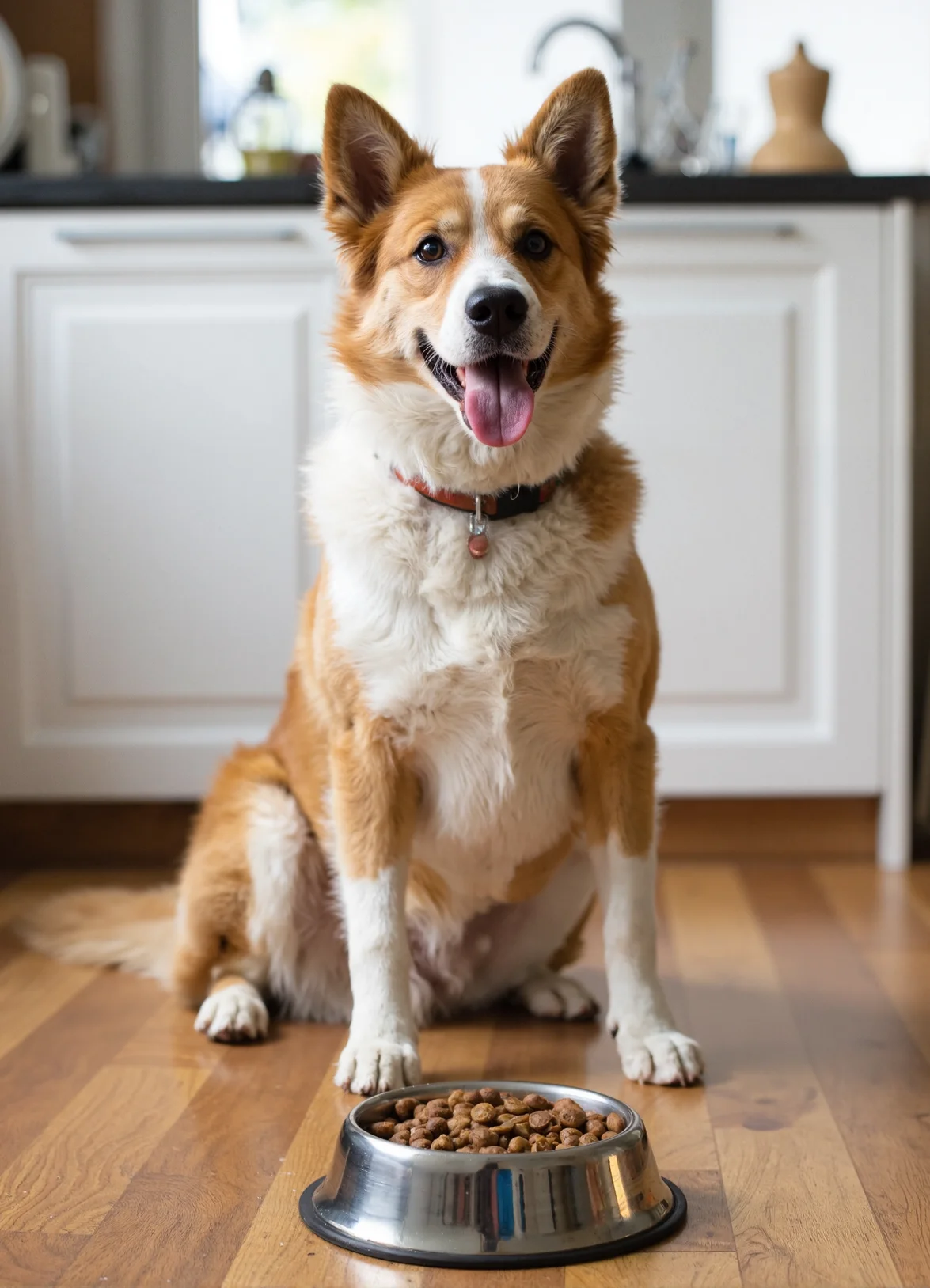
When your dog is sick and turns away from their food bowl, it can be worrying — and frustrating. Dogs are creatures of habit, so a sudden loss of appetite often signals that something is wrong. Whether it’s an upset stomach, an infection, or recovery from surgery, knowing what to feed (and how to encourage eating) can make a huge difference in your dog’s recovery.
In this guide, you’ll learn why dogs refuse food when sick, vet-approved foods to try, home-cooked recipes, hydration strategies, and safe feeding techniques. Everything here is written in plain, second-person English, so you can take practical steps today to help your dog feel better.
Understanding Why Sick Dogs Refuse Food
Dogs can go a day without eating without major harm, but when illness is involved, refusing food can slow recovery and worsen weakness. Understanding why your dog has lost interest in food helps you choose the right feeding strategy.
Common Illnesses That Affect Appetite
- Gastrointestinal upset — Vomiting, diarrhea, and bloating can make food unappealing.
- Respiratory infections — A stuffy nose can block smell, making food less tempting.
- Kidney or liver disease — These affect metabolism and can cause nausea.
- Dental problems — Broken teeth, gum infections, or oral tumors can make chewing painful.
- Pain or injury — Dogs in pain may be too uncomfortable to eat.
How Illness Changes Eating Behavior
When dogs are sick:
- Their sense of smell and taste may be reduced, so normal meals don’t seem as appealing.
- Nausea can make them avoid eating altogether.
- Fatigue means they might not have the energy to get up and eat, even if hungry.
When to Call the Veterinarian First
You should always consult your vet if:
- Your dog refuses food for more than 24 hours (or 12 hours for puppies).
- There’s vomiting, diarrhea, or extreme lethargy alongside appetite loss.
- You see signs of dehydration (dry gums, sunken eyes, skin that doesn’t spring back quickly).
- There’s visible pain, labored breathing, or unusual swelling.
A vet can diagnose the underlying issue and recommend specific diets. Feeding without addressing the root cause can sometimes make things worse.
General Feeding Guidelines for a Sick Dog
- Small, frequent meals — Large meals can overwhelm a sensitive stomach.
- Hydration first — Offer water or broth before worrying about food.
- Quiet environment — Feed in a calm area without loud noises or distractions.
- No drastic diet changes without vet approval — Sudden switches can cause digestive upset.
Vet-Approved Foods for Sick Dogs Who Won’t Eat
Easily Digestible Protein Sources
- Boiled chicken breast — Skinless, boneless, cooked in plain water.
- Lean ground turkey — Cooked and drained of fat.
- White fish — Cod or tilapia, steamed or poached.
Gentle Carbohydrates for Energy
- Plain white rice — Easy to digest and good for firming loose stools.
- Mashed sweet potatoes — Rich in fiber and vitamins.
- Plain oatmeal — Good for sensitive stomachs, but serve in moderation.
Vet-Recommended Prescription Diets
- Canned recovery diets — Formulated for sick or recovering dogs.
- Hydrolyzed protein formulas — For dogs with food allergies.
- High-calorie nutritional pastes — Easy to lick and swallow.
Hydrating and Soothing Options
- Low-sodium chicken broth — Adds flavor and hydration.
- Bone broth — Gentle on the stomach, but avoid onion/garlic.
- Ice chips or frozen broth cubes — For dogs reluctant to drink.
Home-Cooked Recovery Meals
Chicken and Rice Recipe
- Boil chicken breast until fully cooked.
- Shred into small pieces.
- Cook plain white rice separately.
- Mix chicken and rice in a 2:1 ratio.
- Serve warm.
Turkey and Pumpkin Blend
- Cook lean ground turkey.
- Mix with plain canned pumpkin (not pie filling).
- Add a splash of water for moisture.
White Fish and Potato Mash
- Steam white fish.
- Boil peeled white potatoes until soft.
- Mash together and serve slightly warm.
Cooking Safety Tips:
- No seasoning, butter, or oil.
- Remove bones.
- Cool food before serving.
Techniques to Encourage Eating
- Warm the food — Enhances aroma.
- Hand-feed or spoon-feed — Adds comfort and encouragement.
- Try a flat plate — Some dogs find it easier than deep bowls.
- Mix wet and dry food — Improves texture and smell.
- Use food toppers or broth — Adds flavor and moisture.
Feeding a Sick Puppy vs. Adult Dog
Puppies:
- Need more calories per pound.
- Dehydrate faster.
- May require syringe feeding if not eating.
Adults:
- Can tolerate slightly longer periods without food.
- Still require hydration and gentle encouragement.
Special Cases
Chronic Illness (Kidney, Liver, Diabetes)
- Kidney disease diets are low in phosphorus and protein.
- Liver disease diets focus on digestible protein.
- Diabetic dogs require stable carb intake.
Post-Surgery Dogs
- Soft, warm foods help comfort and digestion.
- Gradually return to regular diet.
Senior Dogs
- Softer textures for dental comfort.
- Appetite stimulants may be prescribed.
Foods and Ingredients to Avoid
- Onions, garlic, grapes, raisins, chocolate.
- High-fat foods (bacon, fried meats).
- Seasoned human leftovers.
- Most dairy products.
Hydration Tips for Sick Dogs
- Check hydration with the skin tent test or gum moisture.
- Add water to meals.
- Offer ice cubes or flavored water.
- Use an oral syringe for reluctant drinkers.
Appetite Stimulants and Supplements
- Prescription stimulants from your vet.
- Vet-approved nutritional gels.
- Avoid unregulated OTC products.
Monitoring Your Dog’s Recovery
- Track food and water intake daily.
- Weigh your dog weekly.
- Watch for changes in energy or behavior.
Transitioning Back to a Normal Diet
- Mix recovery food with regular kibble gradually.
- Increase regular food over 5–7 days.
- Return to normal feeding schedule slowly.
Final Thoughts
Helping a sick dog eat takes patience, gentleness, and a tailored approach. The right food, combined with vet guidance, can make a big difference in recovery.
FAQ
Q: What if my dog still refuses to eat after 24 hours?
See your vet — prolonged anorexia can be dangerous.
Q: Can I give my dog baby food?
Only plain, meat-based baby food without onion/garlic — check labels.
Q: Should I force-feed my sick dog?
Only under vet guidance; improper technique can cause choking.
Q: Is it safe to give human electrolyte drinks?
Most contain unsafe ingredients — ask your vet for a dog-safe alternative.
Q: How long can a sick dog go without food?
Healthy adults: up to 3 days with water. Puppies: no more than 12 hours.
