
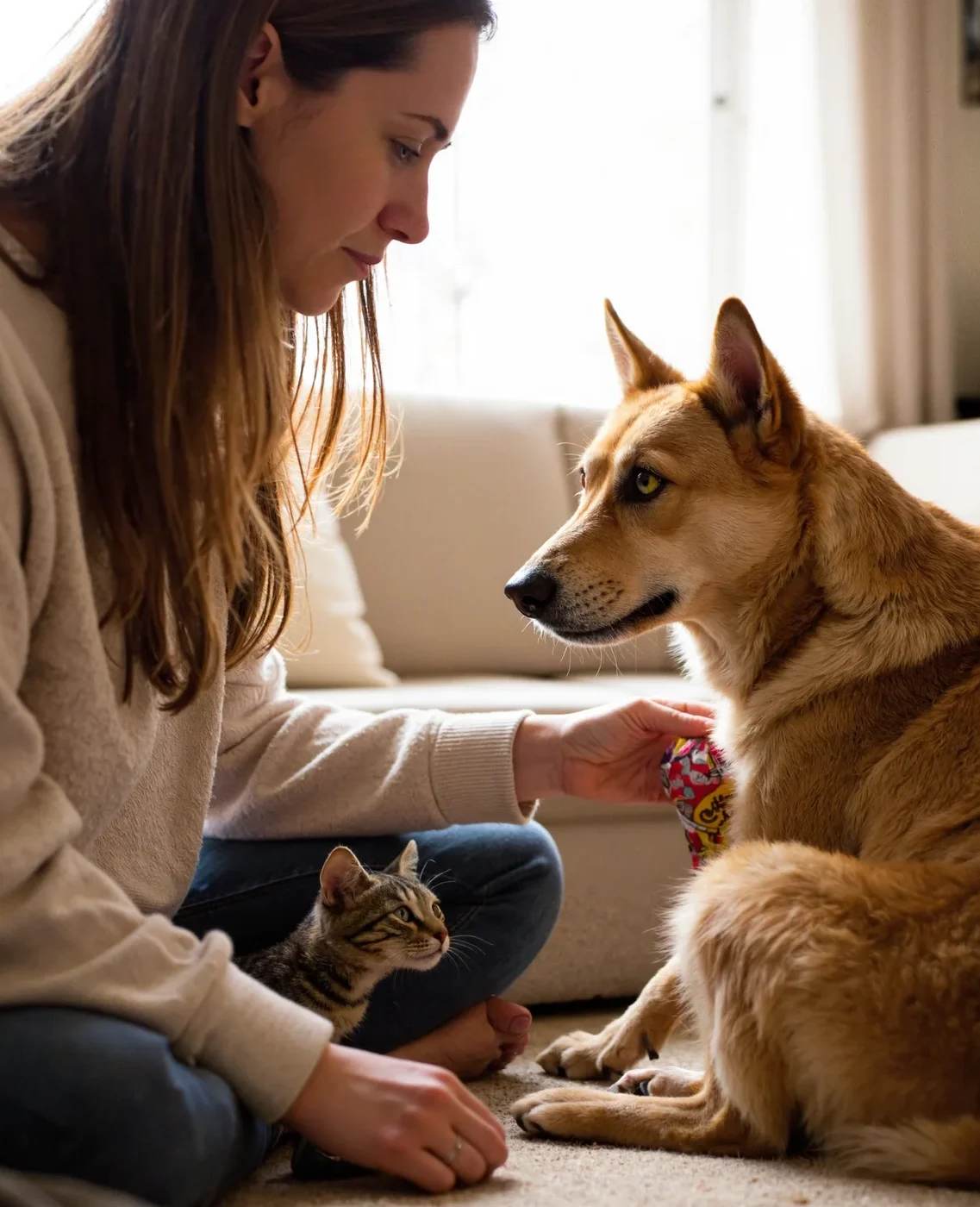
Understanding Stress in Pets
Stress in pets is a physical and emotional response to situations they find difficult, unfamiliar, or overwhelming. It’s the body’s way of preparing to deal with a challenge, but when stress is frequent or intense, it can harm a pet’s overall health.
A small amount of stress is normal and can happen during events like vet visits or new experiences. Most pets recover quickly from these situations. The concern comes when stress is ongoing or when it causes changes in your pet’s health, behavior, or daily habits.
Unlike people, pets can’t explain what’s bothering them. Instead, they show it through physical signs, behaviors, and changes in their normal patterns. Recognizing those signs early is important because prolonged stress can lead to anxiety, depression, or even physical illness.
Pets may experience stress for different reasons depending on their species, age, personality, and past experiences. Some adapt quickly to change, while others react strongly to even minor disruptions. Understanding your pet’s normal behavior is the first step in spotting signs that something is wrong.
Common Causes of Stress in Pets
Stress in pets can have many triggers. While some causes are sudden, others develop gradually. Knowing what can lead to stress makes it easier to prevent problems or address them quickly.
Environmental Triggers
Changes in a pet’s surroundings can be a major source of stress.
- Loud noises – Fireworks, thunderstorms, vacuum cleaners, and construction sounds can overwhelm pets. Dogs may bark, cats may hide, and birds may become noisy or restless.
- Moving to a new home – A new space means new smells, sights, and routines. Pets may need time to adjust before they feel secure.
- Changes in routine – Pets thrive on predictability. A shift in feeding times, walk schedules, or sleeping arrangements can cause stress.
Even small changes, like rearranging furniture or having guests over, can unsettle some pets.
Social Factors
Your pet’s relationships also affect their stress levels.
- New pets or people – Introducing another animal or a new family member can cause tension. Some pets take longer to accept newcomers.
- Conflict with other animals – Fighting or competition for food, toys, or territory can lead to ongoing stress.
- Separation from the owner – Many pets feel anxious when left alone for long periods. Dogs may bark or chew, while cats may become withdrawn.
Health-Related Causes
Medical issues can also trigger stress, especially if they cause pain or discomfort.
- Pain or illness – Arthritis, dental disease, and other health problems can make pets irritable or anxious.
- Aging-related changes – Hearing or vision loss, reduced mobility, and cognitive decline can make pets more sensitive to changes in their environment.
- Hormonal imbalances – Conditions like thyroid disease can affect mood and energy levels, leading to signs that may look like stress.
When stress appears suddenly and without an obvious environmental or social cause, it’s worth checking for an underlying medical problem.
Signs of Stress in Dogs
Dogs often show stress through changes in body language, behavior, and physical habits. Some signs are subtle, while others are more obvious. The key is to notice patterns that are unusual for your dog.
Physical Signs
- Panting when not hot or active – While panting after exercise is normal, panting in calm situations can signal anxiety.
- Shaking or trembling – Dogs may shiver when frightened or uncertain, even in warm environments.
- Excessive shedding – Stress can cause a sudden increase in hair loss, especially during vet visits or travel.
- Dilated pupils and pinned-back ears – Eye and ear changes can indicate fear or tension.
Behavioural Signs
- Restlessness – Pacing, inability to settle, or moving from room to room can show unease.
- Avoidance or hiding – Some dogs retreat to a quiet space when they’re overwhelmed.
- Excessive licking or chewing – Self-soothing behaviours, like licking paws or chewing on objects, can be stress-related.
- Increased barking or whining – Vocal changes often signal that your dog is uncomfortable or needs reassurance.
Changes in Routine
Stress can disrupt your dog’s usual habits.
- Loss of appetite – Refusing meals or eating less can be a stress response.
- House-training accidents – Even well-trained dogs may urinate indoors when anxious.
- Disturbed sleep – Stress can cause a dog to wake frequently or pace at night.
Not all dogs will show every sign, and some may react in ways unique to their personality.
Signs of Stress in Cats
Cats often hide signs of stress more than dogs, so it’s important to watch for small changes in behavior or daily routines.
Physical Signs
- Over-grooming or fur loss – Stress can lead to excessive licking, which may create bald patches.
- Reduced grooming – On the other hand, some stressed cats stop grooming, leading to a dull coat.
- Changes in posture – A crouched body position, tail tucked, or flattened ears can signal unease.
- Dilated pupils – Widened eyes often indicate fear or high alert.
Behavioral Signs
- Hiding more often – Spending long periods under furniture or in closets can be a sign of stress.
- Aggression or irritability – A normally gentle cat may hiss, swat, or bite when stressed.
- Decreased playfulness – A lack of interest in toys or interaction may signal emotional strain.
- Increased vocalization – Meowing, yowling, or growling more than usual can indicate discomfort.
Litter Box Changes
Stress can affect a cat’s bathroom habits.
- Urinating outside the litter box – This can happen when a cat feels threatened, insecure, or is marking territory.
- Constipation or diarrhea – Digestive changes may be linked to stress or anxiety.
Cats are sensitive to changes in their environment and daily routine, so even small disruptions can trigger these signs.
FAQs About Pet Stress
1. Can stress make my pet sick?
Yes. Chronic stress can weaken the immune system, cause digestive issues, and worsen existing health problems.
2. How long does it take for a pet to recover from stress?
It depends on the cause and your pet’s personality. Some recover in hours, while others may need weeks or months.
3. Should I use medication for a stressed pet?
Only under a veterinarian’s guidance. Medication may be helpful for severe cases, but it’s not the first step.
4. Can new toys or treats reduce stress?
They can help by providing mental stimulation and positive distraction, but they should be combined with a calm environment and routine.
5. Is stress common in older pets?
Yes. Older pets may be more sensitive to changes, noise, or separation due to declining senses and health.
