
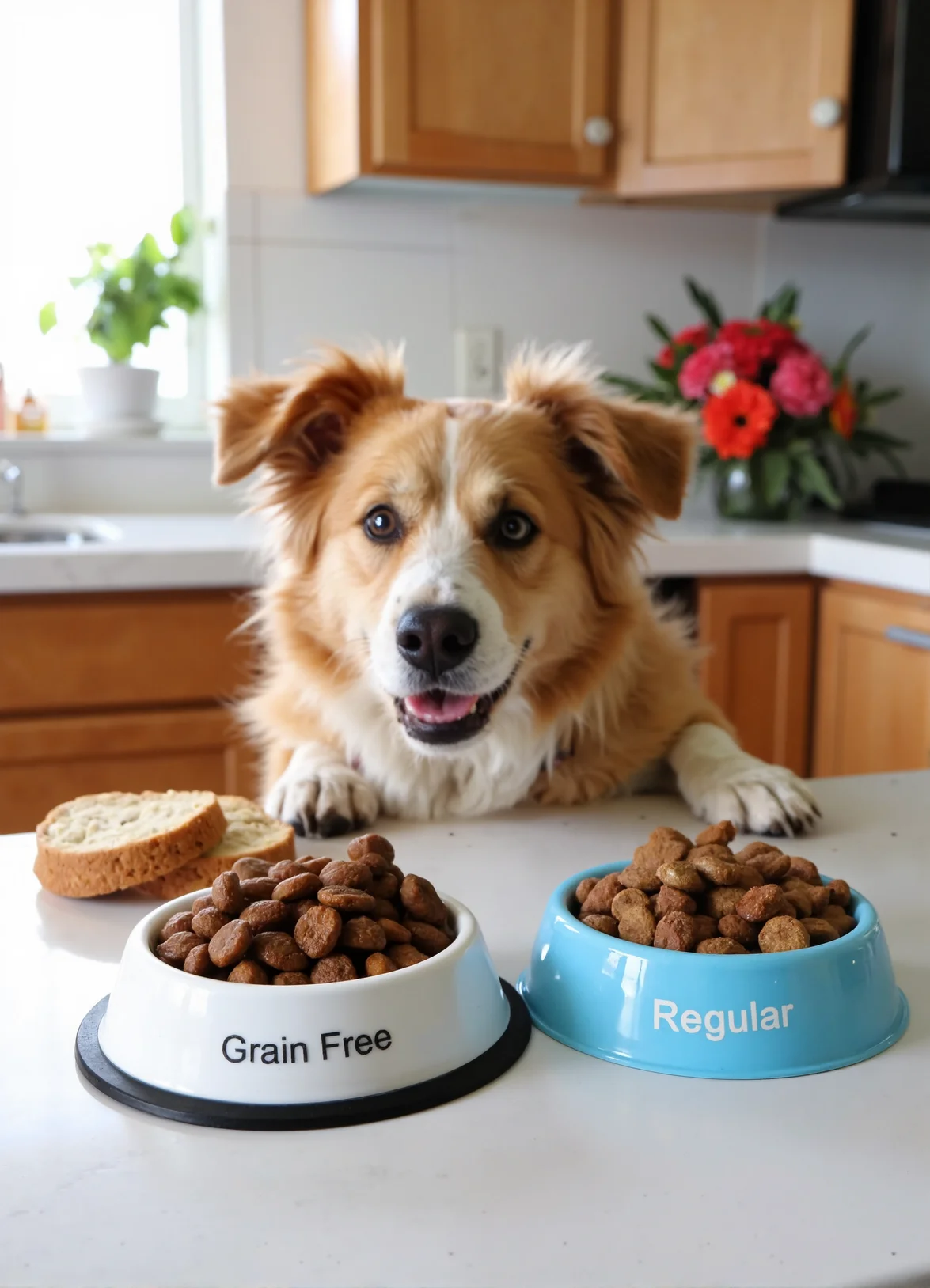
Introduction
In the past decade, one of the most debated topics in pet nutrition has been whether grain-free dog food is truly better than traditional grain-inclusive formulas. Walk into any pet store, and you’ll see bags with bold labels promising grain-free, ancestral, or paleo-inspired diets — often paired with higher price tags and marketing claims of superior health benefits.
Meanwhile, many veterinarians and nutrition experts caution against assuming that “grain-free” automatically means “better.” Both grain-free and regular dog food can provide complete nutrition — but the right choice for your dog depends on their individual needs.
In this article, we’ll break down the science, clear up myths, discuss ongoing research, and give you practical tips to help decide which option best suits your furry friend.
Understanding Dog Nutrition Basics
Why Balanced Nutrition Matters
Dogs, like humans, require a balanced diet to maintain energy, support bodily functions, and prevent disease. According to veterinary nutrition guidelines, dogs need six key nutrient groups:
- Protein – builds and repairs tissues, supports immune health.
- Fats – provide concentrated energy and aid in vitamin absorption.
- Carbohydrates – supply readily available energy and dietary fiber.
- Vitamins – regulate metabolic processes.
- Minerals – maintain bone health, nerve function, and more.
- Water – essential for every bodily process.
When formulating dog food, manufacturers must ensure these nutrients meet standards set by AAFCO (Association of American Feed Control Officials) to label the food as “complete and balanced.”
Role of Carbohydrates in a Dog’s Diet
Carbohydrates, often sourced from grains, legumes, or starchy vegetables, are sometimes unfairly labeled as “fillers.” In reality, cooked carbohydrates are highly digestible for most dogs and serve as an important energy source.
Carbs also provide fiber, which supports healthy digestion and regular bowel movements. Without them, a diet must replace the missing calories with more protein or fat — which isn’t always ideal for every dog.
What Is Grain-Free Dog Food?
Definition and Ingredients
Grain-free dog food omits common cereal grains like wheat, corn, rice, barley, and oats. Instead, it uses alternative carbohydrate sources such as:
- Potatoes and sweet potatoes
- Peas and pea starch
- Lentils
- Chickpeas
- Tapioca
These recipes are often marketed as more “natural” or “ancestral” diets, based on the belief that dogs, as descendants of wolves, should eat primarily meat.
Why Owners Choose Grain-Free Diets
Pet owners often switch to grain-free for one or more reasons:
- Suspected allergies – Belief that grains cause itching, skin issues, or digestive upset.
- Higher protein appeal – Many grain-free formulas feature more animal protein.
- Human diet influence – Trends like gluten-free and paleo diets influence pet food choices.
- Perceived quality – Grain-free foods are often packaged with premium branding.
What Is Regular (Grain-Inclusive) Dog Food?
Definition and Ingredients
Grain-inclusive dog foods contain one or more grains such as:
- Brown or white rice
- Barley
- Oats
- Corn
- Wheat
Grains aren’t just cost-cutting fillers — they provide digestible carbohydrates, essential fatty acids, fiber, and even some protein.
Benefits of Grains in Dog Diets
- Digestive support – Fiber from grains promotes gut health.
- Steady energy – Carbs from grains release energy gradually.
- Nutrient variety – Whole grains offer vitamins, minerals, and antioxidants.
- Affordability – Grain-inclusive diets tend to cost less while meeting nutritional standards.
Comparing Grain-Free and Regular Dog Food
Nutritional Value
Both grain-free and grain-inclusive foods can meet AAFCO standards. Grain-free often contains more protein (sometimes from legumes instead of meat), while grain-inclusive formulas balance carbohydrates and animal protein.
Digestibility and Energy Levels
Cooked grains are easily digestible for most dogs. Grain-free diets can be equally digestible, but excessive legumes may cause gas in some pets. High-protein grain-free diets may suit active dogs, while moderate-protein grain-inclusive diets may work better for less active dogs.
Potential Health Impacts
- Weight control – Grain-free isn’t inherently lower in calories; some formulas are more calorie-dense.
- Coat and skin health – Dependent on total nutrient balance, not grain status.
- Dental health – Mostly influenced by chewing habits, not diet type.
The Grain-Free Debate: Myths vs. Facts
Myth 1: Grain-Free Is Automatically Healthier
Fact: A “grain-free” label doesn’t guarantee superior nutrition. Quality depends on the ingredient balance and nutrient content.
Myth 2: Dogs Can’t Digest Grains
Fact: Cooked grains are easily broken down by canine digestive enzymes.
Myth 3: Grain-Free Prevents Allergies
Fact: Most food allergies in dogs are caused by animal proteins like beef or chicken, not grains.
Grain-Free Diets and DCM (Dilated Cardiomyopathy)
Understanding the FDA Investigation
In 2018, the FDA began investigating a possible link between certain grain-free diets and DCM, a heart condition that can be fatal.
Possible Causes and Current Research
The leading theory is that legume-heavy grain-free foods may contribute to taurine deficiency, impacting heart health. Research is ongoing, and no definitive cause has been confirmed.
What This Means for Pet Owners
If your dog is on a grain-free diet, discuss heart health screenings with your vet and ensure the food is formulated by a qualified pet nutritionist.
How to Tell If Your Dog Has a Grain Allergy or Sensitivity
True Food Allergies in Dogs
Common symptoms include itchy skin, chronic ear infections, and gastrointestinal upset.
Diagnosing a Grain Allergy
The gold standard is an elimination diet trial under veterinary supervision.
Managing Allergies
If grains are confirmed as the allergen, a grain-free diet can be appropriate — but only if it meets all nutritional needs.
Reading Dog Food Labels
Understanding Ingredient Lists
Ingredients are listed by weight before cooking. Look for quality protein sources near the top.
Guaranteed Analysis
Compare crude protein, fat, and fiber percentages to match your dog’s needs.
Marketing Terms vs. Nutrition Facts
Labels like “premium” or “holistic” are unregulated and don’t guarantee quality.
Choosing the Right Food for Your Dog
Factors to Consider
- Age and life stage
- Breed and size
- Activity level
- Health conditions
- Budget
Working With Your Veterinarian
Your vet can help tailor a diet plan and recommend specific brands.
Transitioning to a New Food Safely
Switch gradually over 7–10 days to avoid digestive upset.
Cost Comparison
Price Differences Between Grain-Free and Regular Foods
Grain-free diets are often 20–40% more expensive due to ingredient sourcing and branding.
Balancing Budget and Nutrition
A well-formulated grain-inclusive food can be just as healthy at a lower cost.
Home-Prepared Diets: Grain-Free and Grain-Inclusive Options
Pros and Cons of Home Cooking
Pros: Full control over ingredients.
Cons: Risk of nutrient imbalance without professional guidance.
Working With a Veterinary Nutritionist
A vet nutritionist can create a balanced recipe for either type of diet.
Common Mistakes to Avoid When Choosing Dog Food
- Relying on marketing claims instead of reading labels.
- Switching diets too often.
- Ignoring portion sizes and calorie needs.
- Not matching the food to your dog’s life stage.
Frequently Asked Questions
1. Is grain-free dog food better for puppies?
Not necessarily — puppies need carefully balanced nutrients, which can be in either type.
2. Can grain-free diets help with weight loss?
Only if calorie intake is controlled.
3. How do I know if my dog needs a special diet?
Look for persistent symptoms and consult your vet.
4. Are there breeds more prone to grain allergies?
No clear breed pattern, though some may have more food sensitivities in general.
5. Does grain-free food prevent bloating?
No — bloating risk relates more to breed, eating speed, and meal size.
Conclusion
When it comes to grain-free vs. grain-inclusive dog food, there’s no universal “best” choice. What matters most is selecting a complete, balanced diet tailored to your dog’s individual needs, activity level, and health status.
Instead of focusing solely on whether a formula contains grains, look at the overall nutrient profile, ingredient quality, and how your dog responds. Always consult your veterinarian before making major diet changes — because in the end, the best diet is the one that keeps your pet happy, healthy, and thriving.
