
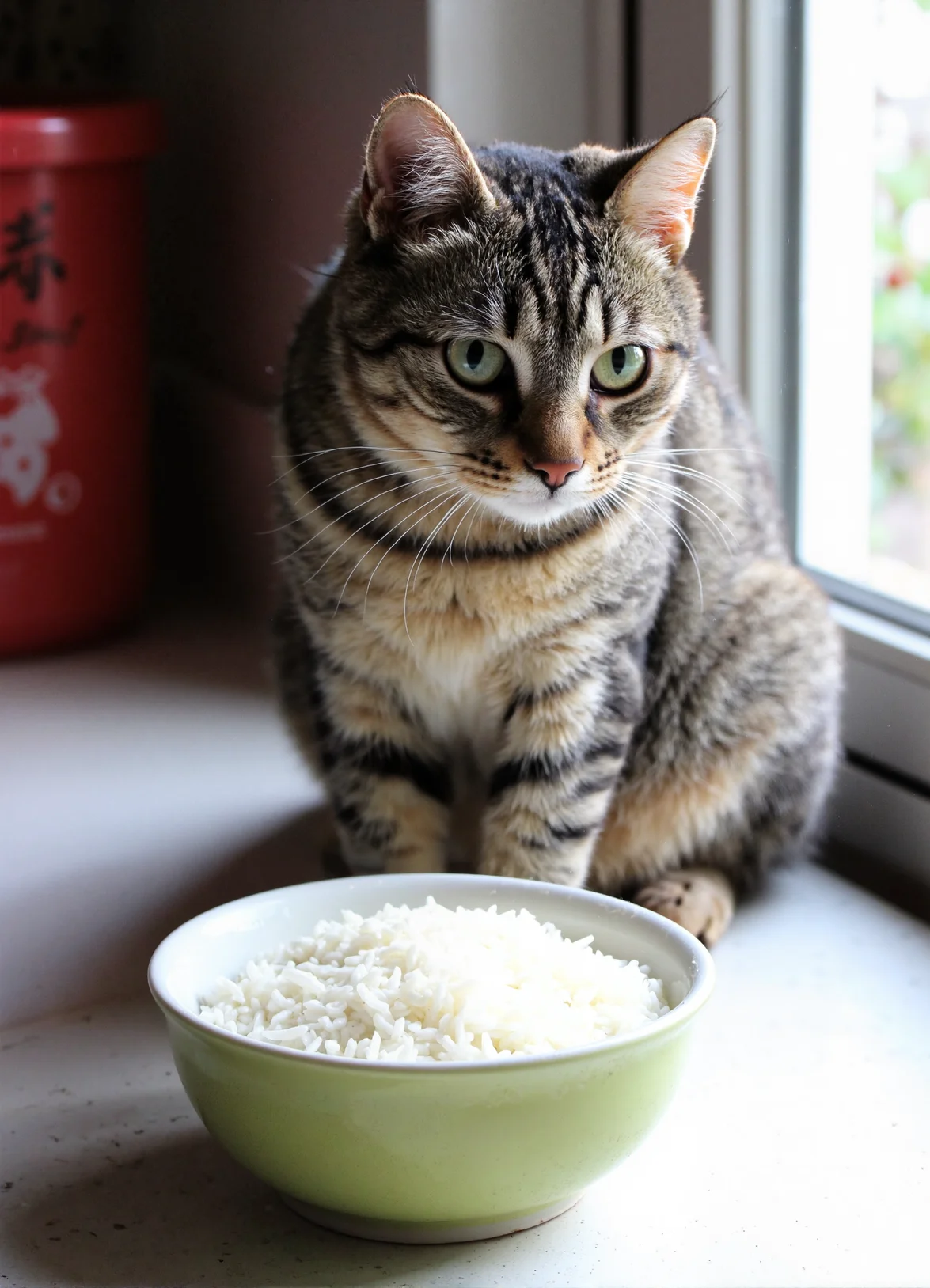
Introduction
You may have wondered if it’s okay to feed your cat a bit of rice, especially if you’re preparing a bland diet for an upset stomach. Rice is a common ingredient in many commercial cat foods, but that doesn’t mean it’s always safe to offer it from your own kitchen. This guide explains when rice can be helpful, when it might be harmful, and how to serve it in a way that’s safe for your cat.
Is Rice Safe for Cats?
General Safety
Plain, cooked rice is generally safe for cats in small amounts. It doesn’t contain any toxic ingredients and is easy to digest. However, rice should never be a large part of your cat’s diet. Cats are obligate carnivores, which means their bodies are built to get nutrition mainly from meat.
When It’s Not Safe
Rice can become unsafe if it is served with seasonings, sauces, or other ingredients like garlic and onions. These are toxic to cats and should be avoided. Uncooked rice is also not safe. It can expand in the stomach and cause digestive issues.
Nutritional Value of Rice for Cats
What Rice Contains
Rice is mostly made of carbohydrates. It also contains small amounts of protein, fiber, and some B vitamins. But it’s not a nutrient-rich food for cats.
Why Cats Don’t Need Much Rice
Cats get their energy from animal protein and fat. Their digestive systems are not designed to process large amounts of carbohydrates. Feeding too much rice can reduce the amount of protein they’re getting, which can lead to nutritional deficiencies over time.
Types of Rice Cats Can Eat
White Rice
White rice is the most commonly used type when feeding cats. It’s easy to digest and a common ingredient in bland diets for cats with diarrhea or stomach issues.
Brown Rice
Brown rice is less processed and contains more fiber. While it’s safe in small amounts, the higher fiber content can sometimes be hard for cats to digest, especially if they have sensitive stomachs.
Jasmine or Basmati Rice
These types of rice are also safe if cooked plain. They don’t offer special benefits over white rice, but they’re okay in very small quantities.
Wild Rice or Specialty Grains
These are generally not recommended. While not toxic, they are harder to digest and offer no nutritional advantage to cats.
When to Feed Rice to Your Cat
As a Temporary Measure
If your cat has mild diarrhea or digestive upset, your vet may recommend a bland diet that includes plain rice and cooked chicken. This is usually a short-term solution.
To Help with Weight Gain
Some veterinarians may suggest adding a small amount of rice to your cat’s meals if your cat is underweight and needs extra calories. This should only be done under veterinary supervision.
As a Filler in Homemade Food
If you’re preparing homemade cat food, rice might be used as a filler. But you need to make sure the food still meets all of your cat’s nutritional needs, which usually requires help from a veterinary nutritionist.
How to Prepare Rice for Cats
Cooked Plain
Always serve rice fully cooked and plain. Avoid any salt, butter, oil, spices, or seasonings. Use water to cook the rice and let it cool before offering it to your cat.
Soft and Moist
The rice should be soft and moist to reduce the risk of choking. Avoid serving dry or crunchy rice, which can be hard for cats to chew and digest.
Mixed with Protein
If you’re adding rice to your cat’s meal, mix it with a lean protein like boiled chicken or turkey. Keep the rice portion small—no more than 10% of the total meal.
Portion Sizes
Small Servings Only
Cats don’t need much rice. A teaspoon or two mixed into their regular food is more than enough. Avoid feeding rice daily. Too much rice can lead to an imbalanced diet.
Based on Weight and Condition
If your cat is sick, underweight, or recovering from surgery, your vet may suggest specific amounts. Always follow your vet’s directions closely.
Risks of Feeding Cats Rice
Digestive Issues
Too much rice can cause constipation, especially if your cat isn’t drinking enough water. It may also lead to bloating or gas.
Weight Gain
Rice is high in carbohydrates. Feeding too much can lead to weight gain and obesity, which increases the risk of diabetes and joint problems.
Nutritional Deficiencies
If rice replaces too much of the meat in your cat’s diet, it may cause protein deficiencies. Over time, this can weaken your cat’s muscles and immune system.
Allergic Reactions
While rare, some cats may have a sensitivity or allergy to rice. Watch for symptoms like itching, vomiting, or diarrhea after eating rice for the first time.
What About Commercial Cat Foods with Rice?
Balanced Formulas
Many commercial cat foods contain rice. In these cases, the rice is part of a balanced recipe that includes meat, vitamins, and minerals. These are generally safe and nutritionally complete.
Reading Labels
If you’re concerned about rice in your cat’s food, check the label. Look for foods that list a high-quality meat source first. Rice should not be one of the first ingredients.
Grain-Free Alternatives
Some cat foods are labeled as grain-free. These replace rice and other grains with vegetables or legumes. While grain-free diets are sometimes recommended for cats with allergies, they’re not necessary for most healthy cats.
Safe Alternatives to Rice
Pumpkin
Plain, cooked pumpkin is a safe source of fiber that can help with mild digestive issues.
Sweet Potato
Boiled or baked sweet potato is another soft food option that some cats tolerate well.
Oatmeal
Plain, unsweetened oatmeal can be offered in small amounts. It has some nutrients but should not replace meat in the diet.
Tips for Introducing Rice to Your Cat
Start Small
Begin with a very small amount of rice to see how your cat reacts. Mix it with their regular food or a small portion of cooked meat.
Watch for Reactions
Monitor your cat for any signs of digestive trouble, such as vomiting, diarrhea, or constipation. Also watch for signs of allergic reactions like itchy skin or sneezing.
Limit Frequency
Only feed rice occasionally. It should not become a regular part of your cat’s diet unless directed by your veterinarian.
Keep It Plain
Never feed rice dishes made for humans. Seasonings, butter, and sauces can be harmful to cats.
When to Talk to Your Vet
If Your Cat Is Sick
Always contact your vet before offering rice if your cat is vomiting, has diarrhea, or shows any other signs of illness. Home remedies can sometimes make things worse.
If You’re Changing Diets
If you’re thinking about switching to homemade food that includes rice, consult a vet or pet nutritionist. Cats need precise nutrients that can be difficult to balance without help.
If You Notice Side Effects
If your cat seems bloated, lethargic, or loses weight after eating rice, stop feeding it and call your vet.
Final Thoughts
Rice is not harmful to cats when prepared properly and served in very small amounts. It can be helpful for short-term digestive issues or as a filler in homemade meals under veterinary guidance. But rice should never take the place of high-quality animal protein in your cat’s diet. Always talk to your vet before making any significant changes to what you feed your cat.
Frequently Asked Questions
Can kittens eat rice?
Kittens should not eat rice unless directed by a vet. Their growing bodies need nutrient-rich food that includes high levels of protein and fat.
Is rice good for a cat with diarrhea?
Plain, cooked white rice may help firm up your cat’s stool during mild digestive upset, but only under a vet’s guidance. Too much rice can cause other problems.
How often can cats eat rice?
Cats can eat rice occasionally—about once a week or less. It should never be a daily food.
What kind of rice is best for cats?
Plain, cooked white rice is easiest to digest. Avoid rice that includes seasonings, oil, or sauces.
Can rice cause constipation in cats?
Yes, especially if it’s served in large amounts or without enough water. Always offer water with any dry food, including rice.
Should I feed rice to my overweight cat?
No. Rice is high in carbohydrates and can lead to further weight gain. Stick to a vet-approved weight-loss plan instead.
