
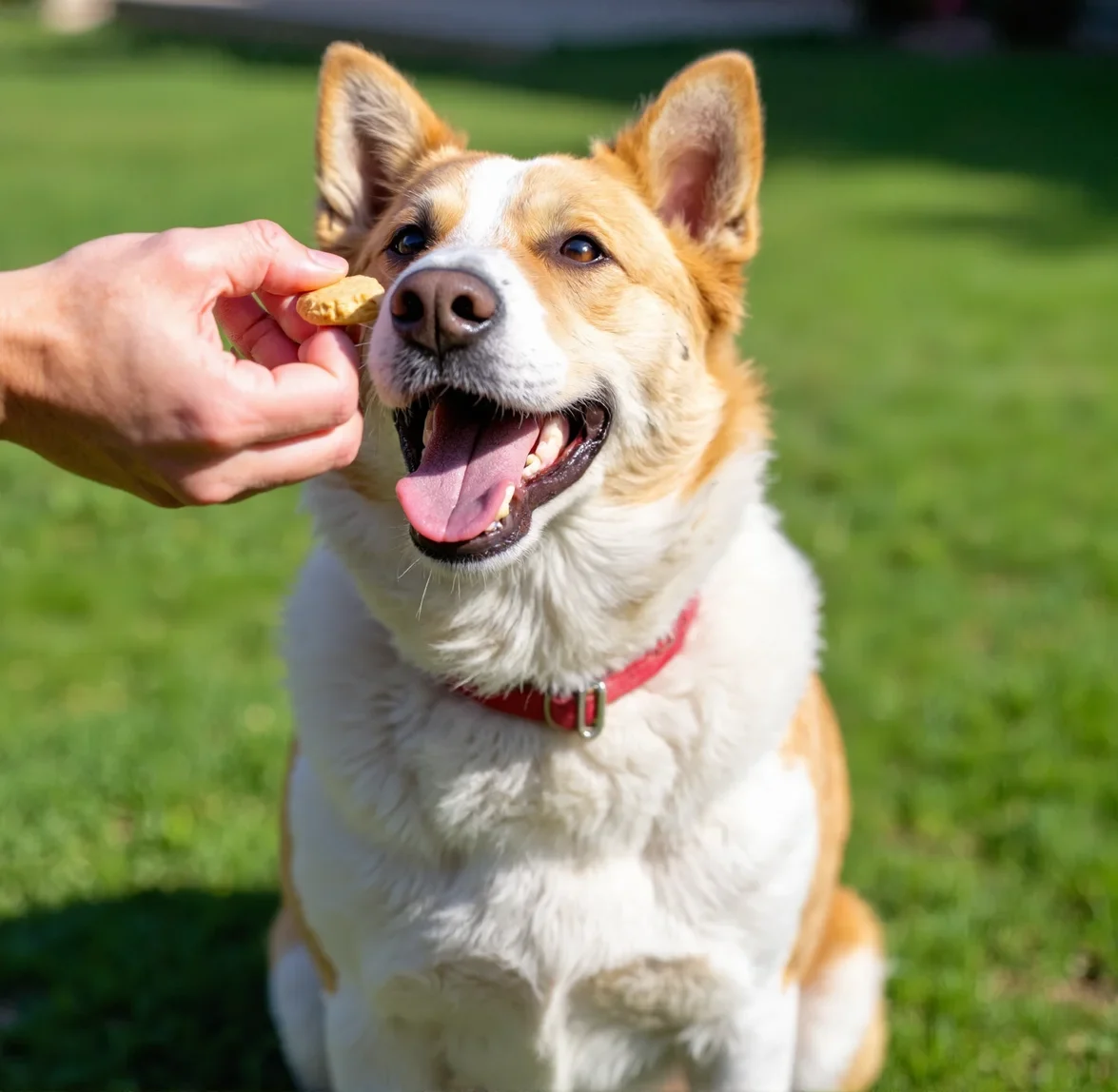
Introduction
When you train your dog, treats are one of the most effective tools you can use. They give your dog a clear and immediate reward for doing the right thing. Choosing healthy and low-calorie options helps you train more often without adding unnecessary weight. The right treat can make training sessions smoother, keeping your dog focused and motivated.
In this guide, you’ll learn how to choose training treats that are good for your dog’s health, work well for different training situations, and fit into a balanced diet. You’ll also find examples of both store-bought and homemade options, along with tips for using treats without overfeeding.
Understanding Dog Training Treats
Why Treats Work as Training Rewards
Dogs respond well to positive reinforcement. When you give your dog a treat right after they follow a command, it tells them they’ve done something you like. This quick feedback helps them connect the behavior with the reward.
In my own experience, treats often work better than toys or praise for teaching new skills. Even dogs that enjoy playtime usually stay more focused when food is involved. The key is timing — give the treat immediately after the desired behavior so your dog understands why they’re being rewarded.
Difference Between Regular Snacks and Training Treats
Regular dog snacks are often larger and meant for occasional enjoyment. Training treats are smaller so you can give many during a single session without overfeeding. They should also be quick for your dog to chew and swallow so they don’t lose focus between commands.
When I started working with young dogs, I noticed that using large biscuits slowed the training process. Switching to small, bite-sized treats kept the pace steady and the dogs more engaged.
Health Considerations When Choosing Training Treats
Calorie Content and Weight Management
Training can involve dozens of treats in a single session. If each treat is high in calories, the total can add up quickly. For most dogs, training treats should be under 5 calories each.
To keep your dog at a healthy weight, you may need to reduce the size of their regular meals when you train heavily. Some trainers recommend using part of your dog’s daily kibble as rewards for easy commands, reserving higher-value treats for more challenging tasks.
Nutritional Value
Treats should have some nutritional benefits, even if they aren’t a major part of your dog’s diet. Look for options with high-quality protein and minimal fillers. Treats with whole food ingredients, such as real meat or vegetables, can offer better nutrition than heavily processed alternatives.
Ingredients to Avoid
Some treats contain additives, preservatives, or artificial colors that your dog doesn’t need. Avoid treats with onion or garlic powder, chocolate, raisins, or xylitol, as these are toxic to dogs. If your dog has allergies, you may need to watch for common triggers like wheat, soy, or certain proteins.
Types of Dog Training Treats
Soft and Chewy Treats
Soft treats are easy for dogs to chew quickly, making them a favorite for training. They can be cut into smaller pieces if needed. Most store-bought soft treats come in resealable bags to keep them fresh, but they can dry out if left open.
Crunchy Treats
Crunchy treats can help clean your dog’s teeth, but they take longer to chew. These are better for breaks during training rather than rapid-fire rewards.
Freeze-Dried Treats
Freeze-dried treats are usually made from single ingredients like chicken or liver. They’re lightweight, shelf-stable, and high in protein. Some dogs find them more appealing than regular biscuits, especially during challenging training exercises.
Homemade Training Treats
Making your own treats gives you full control over the ingredients. You can prepare simple baked biscuits or use cooked meat cut into small cubes. Homemade treats can be more cost-effective, but they may require refrigeration.
Healthy Store-Bought Training Treat Options
Single-Ingredient Treats
Single-ingredient treats are a good choice if you want something simple. Freeze-dried liver, dehydrated fish, or air-dried beef are popular options. These are often high in protein and free from fillers.
Limited-Ingredient Treats
Limited-ingredient treats are designed for dogs with food sensitivities. They typically feature one protein source and one carbohydrate, making it easier to avoid allergens.
Low-Calorie Commercial Treats
Some brands make training treats specifically under 5 calories each. Always check the package for calorie content and serving size, as portion control is still important.
Homemade Healthy Training Treat Recipes
Cooked Meat Bits
- Boil or bake chicken breast, turkey, or lean beef.
- Cut into pea-sized pieces.
- Store in the refrigerator for up to 3 days or freeze for longer storage.
Baked Biscuit Bites
- Mix whole wheat flour, oats, and pumpkin puree.
- Roll out and cut into small squares.
- Bake until firm and store in an airtight container.
Soft Training Cubes
- Steam sweet potato and mash.
- Mix with a small amount of oat flour until firm.
- Shape into small cubes and refrigerate.
Choosing Treat Size and Texture for Training
Matching Treats to Training Goals
Use higher-value treats for difficult commands or distractions. Lower-value treats can work for commands your dog already knows. Changing treat types can keep training interesting.
Size and Chewability
Smaller treats mean your dog can eat them quickly and stay focused. For large breeds, you may need slightly bigger pieces to keep them satisfied, while small breeds do better with tiny bites.
Special Considerations
Puppies
Puppies have sensitive stomachs, so choose simple, soft treats. You can use training sessions for socialization by rewarding calm behavior around new people or environments.
Senior Dogs
Older dogs may prefer softer treats due to dental issues. They also tend to need fewer calories, so keep portions small.
Dogs with Allergies
Hypoallergenic treats, such as those made with novel proteins like venison or duck, can be safer for allergic dogs. Always check labels carefully.
Training Tips with Treats
Avoiding Overfeeding
Measure your dog’s daily treat allowance and adjust meals if necessary. You can also mix in kibble or low-calorie foods like chopped carrots.
Gradually Reducing Treat Dependence
As your dog learns commands, start giving treats less often and replace them with praise, petting, or playtime.
Storing and Handling Training Treats
Storage for Freshness
Use airtight containers to keep treats fresh. Refrigerate or freeze homemade options, especially meat-based ones.
Treat Carriers for Training Sessions
A waist pouch or small container keeps treats handy during walks or training classes. Choose something easy to open so you can reward your dog quickly.
Conclusion
Choosing the right training treats means balancing taste, nutrition, and calorie content. By selecting healthy, low-calorie options and adjusting portions, you can train effectively without affecting your dog’s weight or health. Keep treats varied, store them properly, and always watch your dog’s response to new foods.
